
Science at the edge of the wild
Conduct groundbreaking research in an ecologically intact rainforest where biodiversity surveys, climate studies, and species discoveries shape global conservation understanding and innovation.
As one of the most ecologically intact rainforests in Southeast Asia, the Maliau Basin offers unique opportunities for researchers to study complex ecosystems, monitor climate change impacts, and uncover new species. Scientific research is at the core of our conservation strategy. From biodiversity surveys and hydrological studies to cutting-edge remote sensing and DNA analysis, the knowledge gained here informs both local and global understanding of rainforest dynamics and resilience.
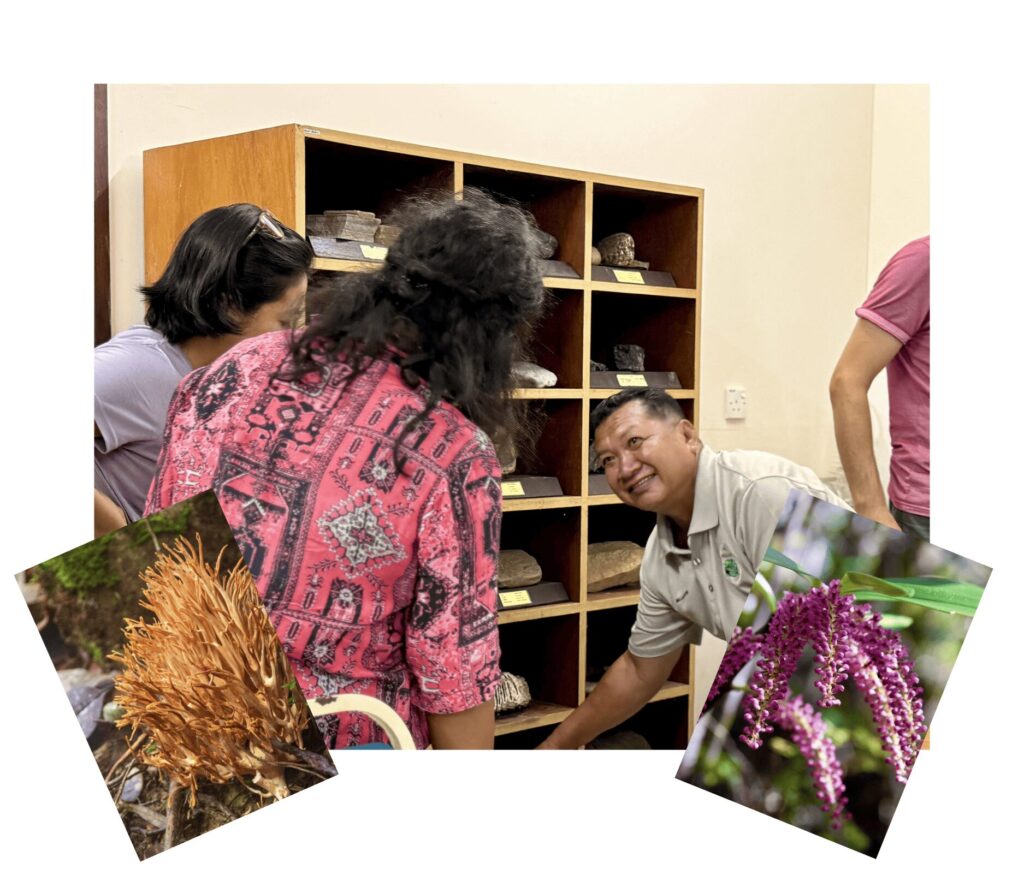
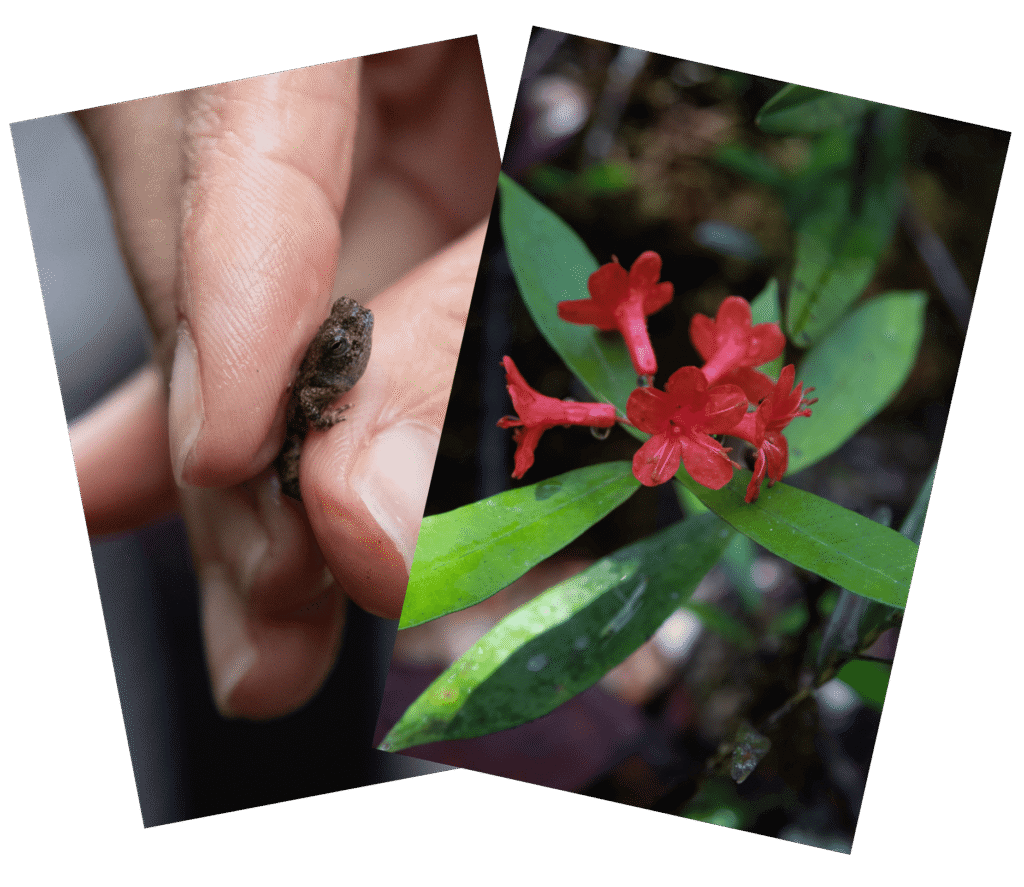
We actively support responsible research by providing access, logistical coordination, and collaboration opportunities with institutions, universities, and conservation partners. Innovation extends to how we manage the area – through smart conservation tools, monitoring systems, and sustainable infrastructure that reduce impact while enhancing protection. By fostering a strong science-based foundation, the Maliau Basin remains not just protected, but continuously understood and improved for long-term stewardship.
Facilities
Maliau Basin Conservation Area hosts a set of well-established research facilities that support long-term scientific study and conservation work in one of Southeast Asia’s most pristine tropical rainforests. At the heart of the area is the Maliau Basin Studies Centre (MBSC), which serves as the main operational base for researchers, students, and conservation practitioners working in the basin.
The facilities include basic but functional accommodation, laboratory and workspace areas, storage for equipment, and logistical support for field activities. From the Studies Centre, a network of trails and field camps provides access to different elevations, forest types, and river systems, enabling research across disciplines such as ecology, biodiversity, hydrology, climate science, and forest dynamics.
Field stations and camps within the basin allow researchers to conduct extended stays in remote areas while minimising environmental impact. All research activities are carried out under strict permitting and management protocols to ensure that scientific work aligns with conservation objectives and the protection of the area’s exceptional ecological integrity.
Together, these facilities make Maliau Basin a key platform for tropical rainforest research, contributing valuable knowledge to regional and global understanding of biodiversity conservation and ecosystem function.
Research papers
Dive into our library of research papers and projects conducted at Maliau Basin
(Link coming soon)
Apply to conduct research
Researchers wishing to conduct research at Maliau Basin Conservation Area must first obtain approval from the Sabah Government through the Sabah Biodiversity Council, including an Access License. Applicants are required to secure a qualified local collaborator based in Sabah and submit a research proposal and supporting documents to the Maliau Basin Management Committee (MBMC). Once the application is reviewed and supported by MBMC, and the necessary licenses are approved, researchers may proceed with immigration formalities and commence research in accordance with the approved scope and conditions.
Research partnerships
At Yayasan Sabah, research forms the backbone of effective conservation. Through the Conservation & Environmental Management Division (CEMD), we work closely with both international and local institutions to advance scientific understanding, strengthen conservation management, and develop innovative solutions for protecting Sabah’s unique biodiversity.
Our international partners such as SEARRP, Preferred by Nature, IKEA (INIKEA Project), NRRN, SUAS, JORC and Face The Future bring global expertise in rainforest ecology, restoration science, carbon forestry, and climate change research. These collaborations have positioned Sabah as a living laboratory for world-class scientific studies.
Equally vital are our local partnerships with institutions including Universiti Teknologi MARA (UiTM), Universiti Malaysia Sabah (UMS), Malaysian Nature Society (MNS), Academy of Sciences Malaysia (ASM), and Sabah Environmental Trust (SET). Together, we conduct biodiversity surveys, citizen science programs, ecological studies, and policy-driven research that directly supports conservation action on the ground.
By uniting international knowledge with local strengths, Yayasan Sabah continues to build a strong research network that not only safeguards our rainforests but also generates lasting benefits for science, policy, and communities.